


Durable Wind Spinner – Maintenance Tips to Keep It Spinning for Years
2025-05-17
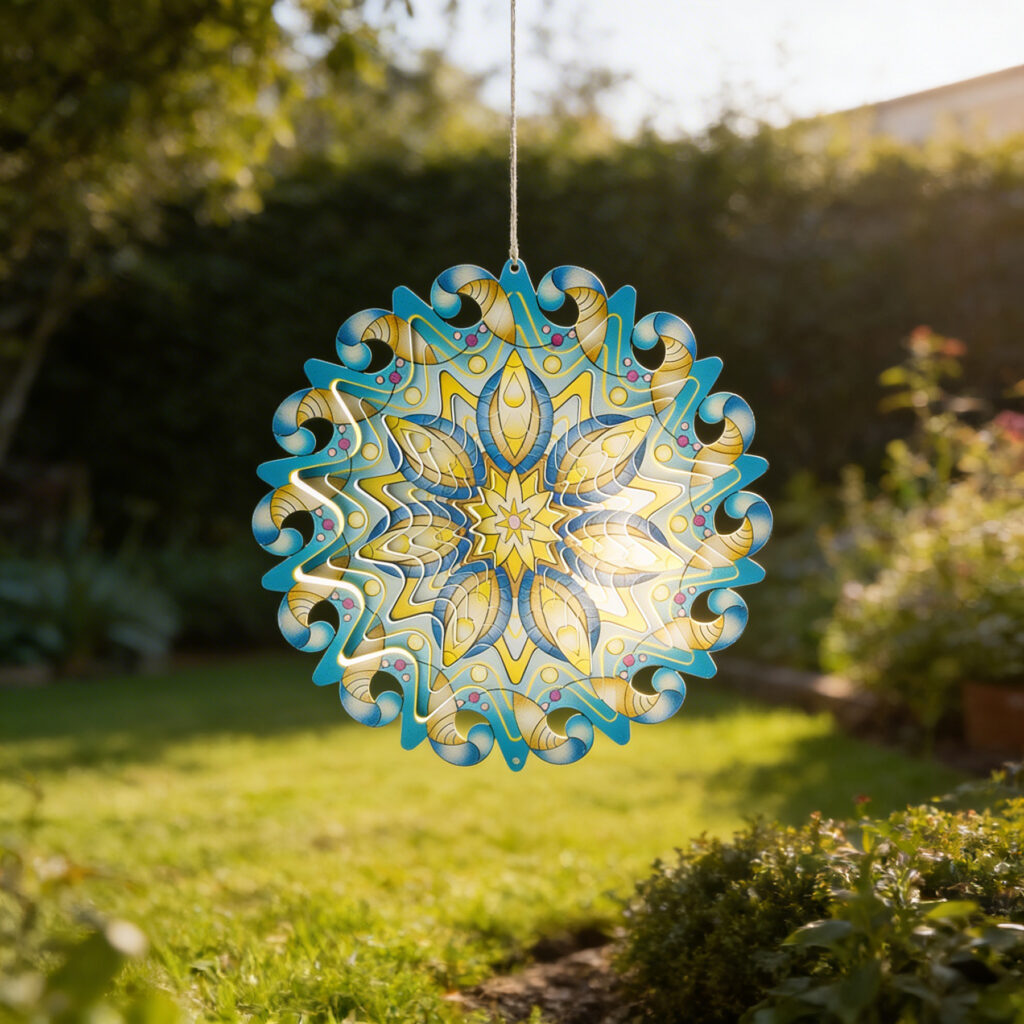
Durable Wind Spinner – Maintenance Tips to Keep It Spinning for Years
 Investing in a high-quality wind spinner adds beauty, movement, and personality to your garden—but like any outdoor decoration, it needs a little care to stay in top shape. Whether your spinner is made of stainless steel, powder-coated metal, or painted by hand, proper maintenance ensures it will continue to spin smoothly and look stunning for years to come.
Here’s a simple, practical guide to keeping your wind spinner in perfect condition.
1. Clean It Gently, But Regularly
Why it matters: Dust, pollen, bird droppings, and rain residue can build up on your spinner, dulling its shine and affecting its balance.
How to clean it:
-
Use a soft cloth or sponge with mild soap and warm water.
-
Avoid abrasive pads or strong chemicals—they can scratch or damage the surface.
-
For stainless steel spinners, you can use a microfiber cloth and a drop of stainless steel cleaner or vinegar for extra shine.
Tip: Clean your spinner every 4–6 weeks during spring and summer, especially if it’s exposed to rain or high winds.
2. Check the Swivel and Moving Parts
Why it matters: The swivel or hanging hook is what allows your spinner to rotate. If it gets clogged or rusted, movement becomes jerky—or stops entirely.
What to do:
-
Make sure the spinner spins smoothly in all directions.
-
Apply a tiny amount of lubricant (like WD-40 or a silicone spray) to the swivel if it feels stiff.
-
Replace worn-out or low-quality hooks with rustproof, stainless steel swivels for long-term performance.
Tip: Avoid over-lubricating—too much oil can attract dust and dirt.
3. Store It During Harsh Weather (If Needed)
While stainless steel spinners from trusted sources (like windspinner.eu) are weather-resistant, extreme conditions like hailstorms, snow, or heavy gales can damage any outdoor object.
What you can do:
-
If you live in an area with harsh winters, consider bringing the spinner indoors from late autumn to early spring.
-
Store it in a dry place, preferably wrapped in soft cloth or its original packaging.
Tip: Some customers even hang their spinners indoors during winter near a window to enjoy their beauty year-round.
4. Protect the Finish
 High-end wind spinners come with a durable coating—but like any surface, it can degrade over time with UV exposure and pollution.
Best practices:
-
Avoid placing the spinner in direct, intense sun all day long, unless it’s UV-protected.
-
If your spinner has a painted or colored surface, don’t scrub it too hard when cleaning.
-
For painted spinners, a light coat of clear acrylic spray once a year can help seal and protect the finish (test on a small area first).
5. Inspect for Damage or Imbalance
Sometimes, wind or improper handling can slightly bend parts of the spinner, causing it to wobble or stop spinning.
What to look for:
-
Bent metal shapes or off-center designs.
-
Wobbling when spinning in a light breeze.
-
Loose connections at the hanging point.
How to fix it:
-
Gently bend pieces back into place using padded tools or your hands.
-
Tighten any hardware or connectors if they feel loose.
In Summary: Care = Longevity
A beautiful wind spinner is not just decoration—it’s kinetic art. With just a little maintenance a few times a year, your spinner can stay as vibrant and captivating as the day you bought it.
Choose well. Clean gently. Spin forever.
And if you’re looking for a spinner that’s built to last with minimal upkeep, check out premium, handcrafted stainless steel models at windspinner.eu.